 Skip to content

Meals for Pregnant Women: Nutritious Food Choices for a Healthy Pregnancy
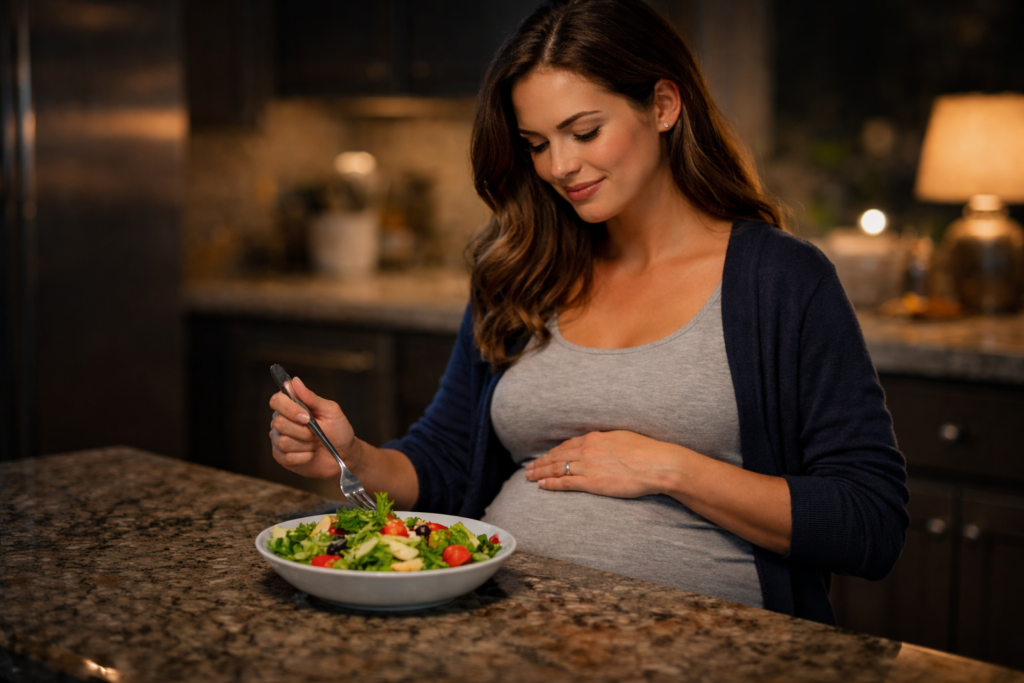
Pregnancy is a time when nutrition becomes more important than ever. The food a mother eats not only supports her own health but also plays a major role in the development of the growing baby. According to insights discussed in Happy Gut, Healthy Pregnancy, Healthy Baby by Dr. Joseph Saracino, maintaining gut health and choosing nutrient-dense foods can significantly influence pregnancy outcomes, digestion, immunity, and even the baby’s long-term wellbeing.
In simple terms, the body goes through significant hormonal and metabolic changes during pregnancy. These changes affect digestion, nutrient absorption, and the gut microbiome. That is why choosing the right meals for pregnant women becomes essential for maintaining energy, supporting fetal growth, and preventing common digestive issues such as nausea, bloating, or constipation.
This blog explores the most nutritious foods, balanced diet patterns, and practical meal ideas based on the science of gut health and maternal nutrition described in the book. It also serves as a helpful meal guide for pregnant women in 2026, offering practical insights for building healthy eating habits during pregnancy.
Why Nutrition Matters During Pregnancy
Pregnancy increases the body’s demand for several nutrients, including protein, fiber, iron, calcium, folate, and healthy fats. At the same time, digestion often becomes slower due to hormonal changes. As explained in Happy Gut, Healthy Pregnancy, Healthy Baby, the gut microbiome plays a key role in nutrient absorption and immune regulation during pregnancy. Healthy dietary choices support:
- fetal brain development
- maternal immune health
- stable blood sugar levels
- reduced inflammation
- better digestive function
Because of this, these meals should focus on nutrient density rather than simply increasing calorie intake. Instead of eating large meals occasionally, the book suggests eating balanced meals throughout the day to maintain energy levels and digestive comfort.
The Role of Gut Health in Pregnancy Nutrition
One of the central themes discussed by Dr. Joseph Saracino is the connection between gut health and pregnancy wellbeing. The gut contains trillions of microorganisms that assist with digestion, vitamin production, and immune balance.
During pregnancy, the gut microbiome naturally changes to support fetal growth. However, poor dietary habits can disrupt this balance. The author explains that fiber-rich foods and diverse plant sources help beneficial bacteria thrive.
This is why meals for pregnant women should include a variety of plant-based foods such as vegetables, fruits, whole grains, beans, and seeds. These foods provide prebiotics that feed healthy gut bacteria. A balanced microbiome can help reduce common pregnancy symptoms like:
- constipation
- heartburn
- fatigue
- blood sugar fluctuations
Key Nutrients Every Pregnant Woman Needs
When planning meals, certain nutrients should be prioritized because they support both maternal health and fetal development among pregnant women.
1. Protein
Protein supports tissue growth and fetal development. Good sources include:
- eggs
- lean poultry
- fish
- beans
- lentils
- tofu
- yogurt
Protein also helps stabilize blood sugar levels, which can reduce cravings and fatigue.
2. Fiber
Fiber is essential for digestive health and microbiome support. As emphasized in Dr. Joseph Saracino’s research, fiber feeds beneficial gut bacteria that produce compounds supporting immune function. High-fiber foods include:
- oats
- whole grains
- berries
- vegetables
- chickpeas
- flaxseeds
Fiber-rich meals can also help prevent constipation, a common issue during pregnancy.
3. Healthy Fats
Healthy fats support brain and nervous system development in the baby. Important sources include:
- avocados
- olive oil
- nuts
- seeds
- fatty fish such as salmon
Omega-3 fatty acids are especially beneficial for fetal brain development.
4. Iron
Iron supports oxygen transport in the blood and helps prevent anemia. Iron-rich foods include:
- spinach
- lentils
- red meat
- fortified cereals
- pumpkin seeds
Pairing iron-rich foods with vitamin C sources like citrus fruits helps improve absorption.
5. Calcium
Calcium is necessary for the baby’s bone and teeth development. Good sources include:
- dairy products
- yogurt
- cheese
- almonds
- leafy greens
For pregnant women, balanced meals should include calcium regularly throughout the day.
For more key food choices, see our blog “Prenatal Vitamins in Pregnancy: Key Nutrients Supporting Maternal and Fetal Health.”
Top Meals for Pregnant Women for Healthy Pregnancy
Choosing nutrient-dense combinations makes it easier to meet daily nutritional needs. Here are some examples of top healthy meal choices for pregnant women that align with the principles discussed in the book.
1. Breakfast Ideas
A balanced breakfast helps stabilize blood sugar and reduce morning fatigue. Examples include:
- oatmeal with berries and almonds
- scrambled eggs with whole-grain toast and avocado
- yogurt with granola and fruit
- smoothie with spinach, banana, yogurt, and chia seeds
These breakfasts provide fiber, protein, and healthy fats, making them excellent meal choices to start the day during pregnancy.
2. Lunch Ideas
Lunch should provide sustained energy for the afternoon. Nutritious options include:
- quinoa salad with roasted vegetables and chickpeas
- grilled chicken with brown rice and steamed broccoli
- lentil soup with whole-grain bread
- spinach salad with avocado, walnuts, and salmon
These meals combine protein, fiber, and micronutrients, making them some of the best meal choices for pregnant women for balanced nutrition.
3. Dinner Ideas
Dinner should be satisfying but easy to digest. Healthy options include:
- baked salmon with sweet potatoes and green beans
- vegetable stir-fry with tofu and brown rice
- grilled chicken with quinoa and roasted vegetables
- bean and vegetable stew
These dinners provide balanced nutrition while supporting digestive comfort.
4. Healthy Snacks
Small snacks between meals help maintain steady energy levels. Healthy snack ideas include:
- apple slices with peanut butter
- yogurt with berries
- boiled eggs
- mixed nuts and seeds
- hummus with carrots and cucumbers
These snacks complement regular meals during pregnancy and help meet daily nutrient requirements among pregnant women.
Managing Common Pregnancy Digestive Issues Through Diet
Many women experience digestive discomfort during pregnancy. According to Dr. Joseph Saracino, nutrition plays a major role in managing these symptoms.
1. Nausea and Morning Sickness
Morning sickness is common during early pregnancy. Small, frequent meals for pregnant women can help reduce nausea. Helpful foods include:
- crackers
- bananas
- toast
- ginger tea
- yogurt
Eating light meals throughout the day can prevent an empty stomach, which often worsens nausea.
2. Heartburn
Heartburn occurs when stomach acid moves upward due to hormonal changes. To reduce heartburn:
- Eat smaller meals
- Avoid overly spicy foods
- Stay upright after eating
- Avoid eating late at night
Balanced meals with moderate fat and fiber can help reduce reflux among pregnant women.
3. Constipation
Constipation is another common pregnancy concern due to slower digestion. Dietary solutions include:
- increasing fiber intake
- drinking more water
- eating fruits and vegetables regularly
- including whole grains in meals
These strategies support gut health and improve digestive regularity. For more healthy and practical insights, explore our blog “A Practical Pregnancy Nutrition Guide for Balanced Maternal Health.”
Importance of Plant Diversity in Pregnancy Diet
One of the unique recommendations discussed in the book is increasing plant diversity in the diet. Instead of eating the same foods daily, pregnant women are encouraged to include many different plant sources each week. Examples include:
- leafy greens
- berries
- beans
- nuts
- seeds
- whole grains
- colorful vegetables
This diversity nourishes a wider range of gut bacteria and improves digestion. Including a variety of ingredients also helps make meals more balanced and nutritious for pregnant women.
Hydration and Meal Balance
In addition to nutrition, hydration plays a major role in digestive health during pregnancy. Drinking enough fluids helps:
- support circulation
- regulate body temperature
- prevent constipation
- assist nutrient transport
Water, soups, herbal teas, and milk are good hydration options. Combining hydration with balanced meals for pregnant women supports overall maternal health.
How the Maternal Diet Affects the Baby
Research discussed in Happy Gut, Healthy Pregnancy, Healthy Baby highlights that maternal nutrition may influence the baby’s immune system and metabolic health.
During pregnancy, beneficial microbes and nutrients from the mother contribute to the baby’s early development. Healthy meals can help support:
- brain development
- immune system formation
- metabolic regulation
- healthy birth weight
This is why many experts consider pregnancy nutrition a long-term investment in a child’s health.
Practical Tips for Planning Pregnancy Meals
Creating healthy meal habits does not need to be complicated. Following a few practical steps can make it easier to maintain nutritious eating patterns. Helpful strategies include:
- preparing meals in advance
- including protein in every meal
- eating a variety of plant foods
- choosing whole foods instead of processed foods
- maintaining regular meal times
These habits help ensure that meals among pregnant women remain balanced and supportive of gut health. For managing a healthy digestive system, visit our blog “Pregnancy Gut Health: Maintaining a Balanced Digestive System During Pregnancy.”
Learning from Nutrition-Focused Pregnancy Books
Educational resources can also help mothers make informed dietary decisions. Books like Happy Gut, Healthy Pregnancy, Healthy Baby provide valuable insights into microbiome health and maternal nutrition.
For readers interested in pregnancy nutrition, it can serve as a helpful meals for pregnant women guide 2026 as well as a practical book on healthy meals and pregnancy nutrition. These resources combine scientific research with everyday dietary guidance.
Conclusion
Pregnancy is a time when thoughtful nutrition choices can make a meaningful difference for both mother and baby. As highlighted in Happy Gut, Healthy Pregnancy, Healthy Baby, gut health, balanced nutrition, and diverse plant foods all contribute to a healthier pregnancy journey.
Well-planned meals for pregnant women should include a combination of fiber, protein, healthy fats, vitamins, and minerals. These nutrients support digestion, stabilize energy levels, and promote fetal growth.
By focusing on whole foods, staying hydrated, and eating balanced portions throughout the day, mothers can create nourishing routines that support long-term health.
Ultimately, mindful eating habits and consistent meals can help ensure a healthy pregnancy while laying the foundation for a baby’s lifelong wellbeing.
Facebook
WhatsApp
Twitter
LinkedIn
Pinterest
About Our Comapny

Ipsam in reiciendis gravida occaecat elementum euism osse cupiditate corrupti.
Recent Posts

Digestive Health During Pregnancy: Managing Bloating and Constipation
July 23, 2026
No Comments

A Practical Pregnancy Nutrition Guide for Balanced Maternal Health
July 23, 2026
No Comments

Healthy Nutrition for Pregnant Women: A Practical Guide for Maternal Health
July 23, 2026
No Comments
Follow Us On
Facebook
Twitter
LinkedIn
Pinterest
WhatsApp
Telegram
